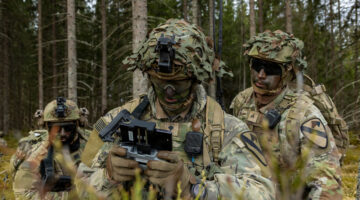
Army leaders drafting ‘guiding document’ to ask industry for new intelligence tools
The so-called characteristics of need (CoN) approach follows a similar pattern in communications and electromagnetic spectrum capabilities.
The so-called characteristics of need (CoN) approach follows a similar pattern in communications and electromagnetic spectrum capabilities.

The future of ISR lies in integrating human expertise with AI-driven analytic tools at scale.


A decorated combat aviator and biotech CEO advocates preparing for novel viral threats before the next crisis.

As the Army improves its EW acumen, it needs more intelligence sources to support operations.

"There's a great symbiosis here," said Lt. Col. Stefan Katz. "The crews from the 76th are focused on today's tasking, today's situation, today's mission and objectives, and the 4th [on] thinking longer term, and what are the implications."

For the 119th Congress, Ernst again picks up the reins of a legislative body with jurisdiction over the programs and policies related to: intelligence; counterterrorism; special operations; weapons of mass destruction; and drug trafficking.
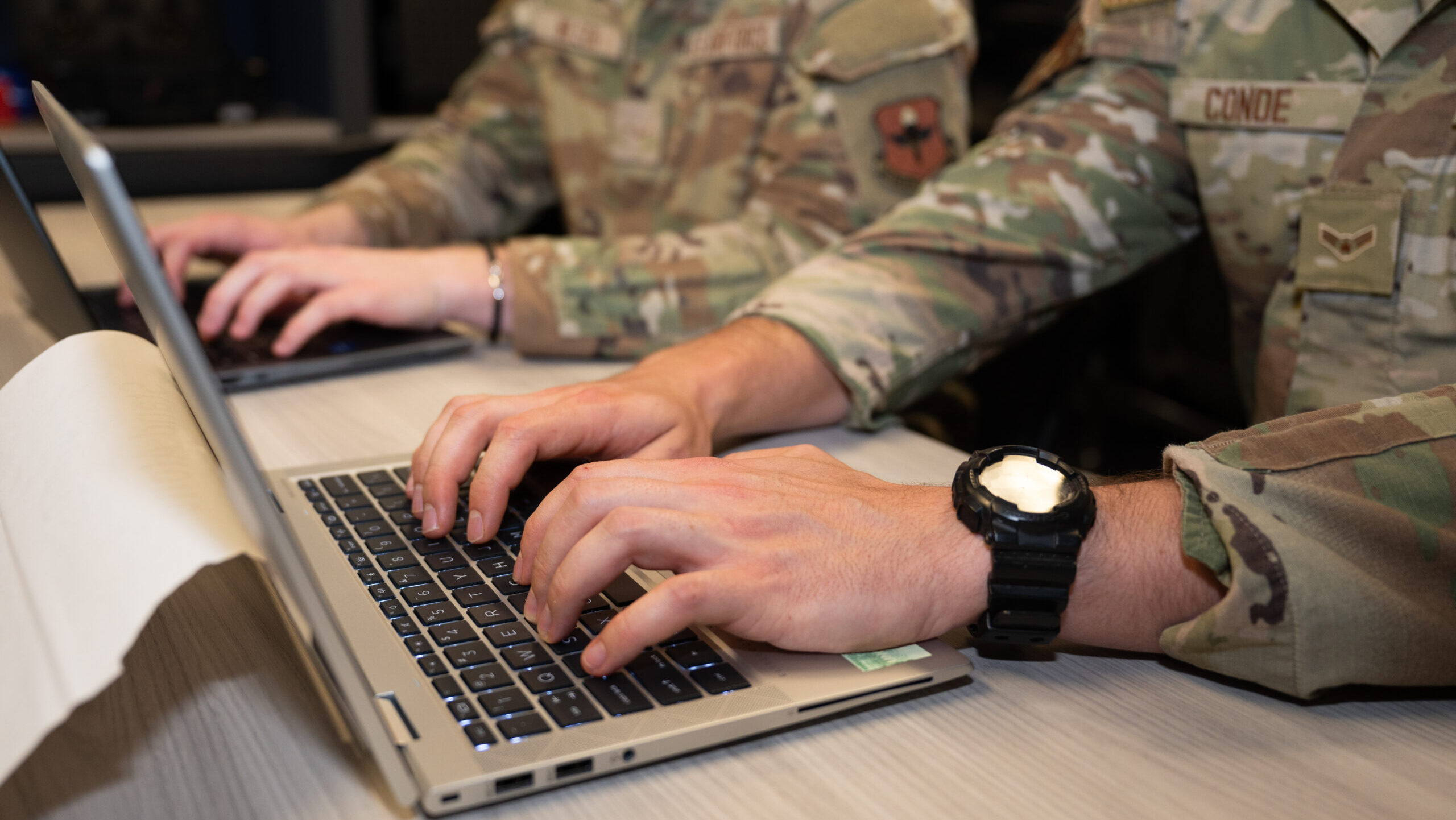
If that consulting gig seems to good to be true, it probably is, Air Force investigators say.

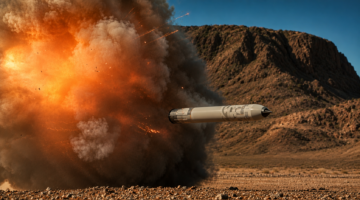
The goal of such weaponization is to tie warfighter needs to the RDT&E cycle.


Bombardier is a go-to platform provider of choice for special mission aircraft with its in-house engineers that can tailor the solution to the customers’ requirement.

“Time is of the essence. If the U.S. Intelligence Community and its partners do not begin integrating generative AI tools into their workflow, we will always be vulnerable to our adversaries,” Ylli Bajraktar, SCSP president, said.
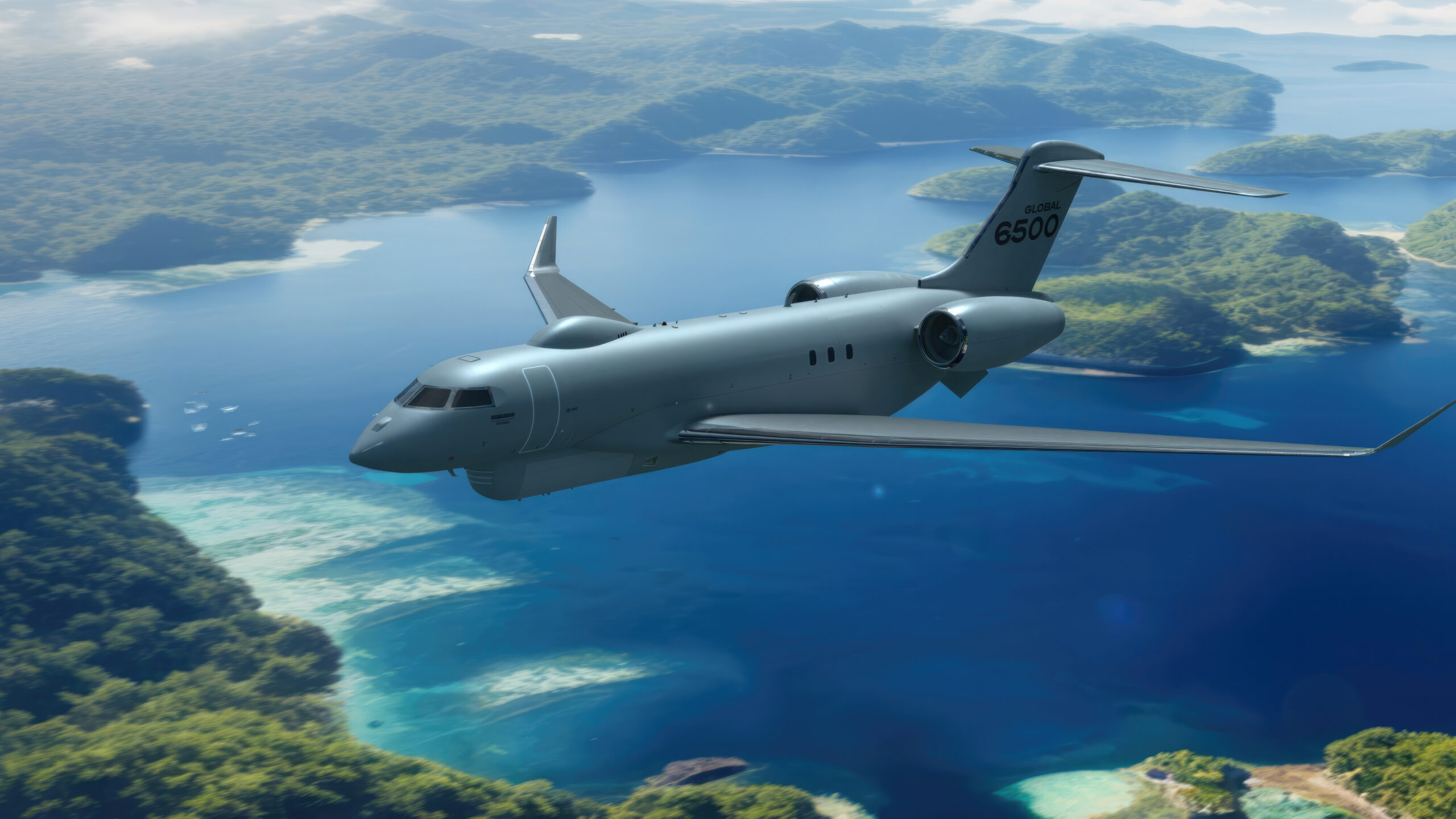
Bombardier in-house engineers can tailor the platform to the customers’ requirement, a strategic advantage for governments and militaries around the world.

Maj. Gen. Matthew Van Wagenen said classical intelligence collection "will never go away," but "the open source piece of this in order to make military decisions, yes, it's absolutely applicable to the contemporary operating environment. It's how do we integrate the two."

A commitment to long-term operational value.

One of the questions the Army's ISR Task Force is grappling with regard to sensing is how best to "leverage the vast proliferation of commercial satellite providers," said task force director Andrew Evans.
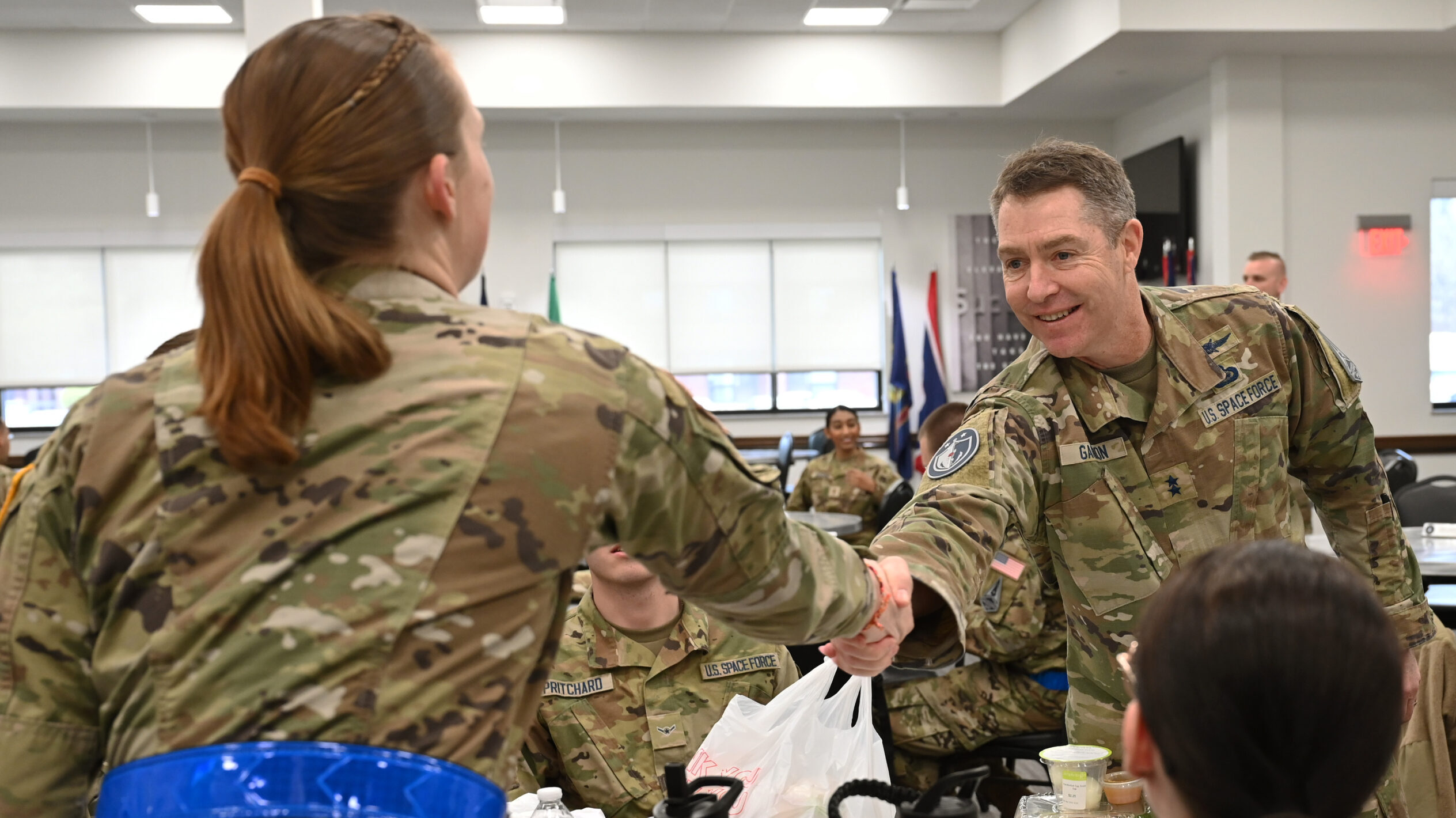
China's "space weaponry" arsenal "includes missiles that launch from the Earth that go up and destroy satellites, it includes lasers, it includes jammers, it includes a whole magazine of diversity for that," a top Space Force officer said.
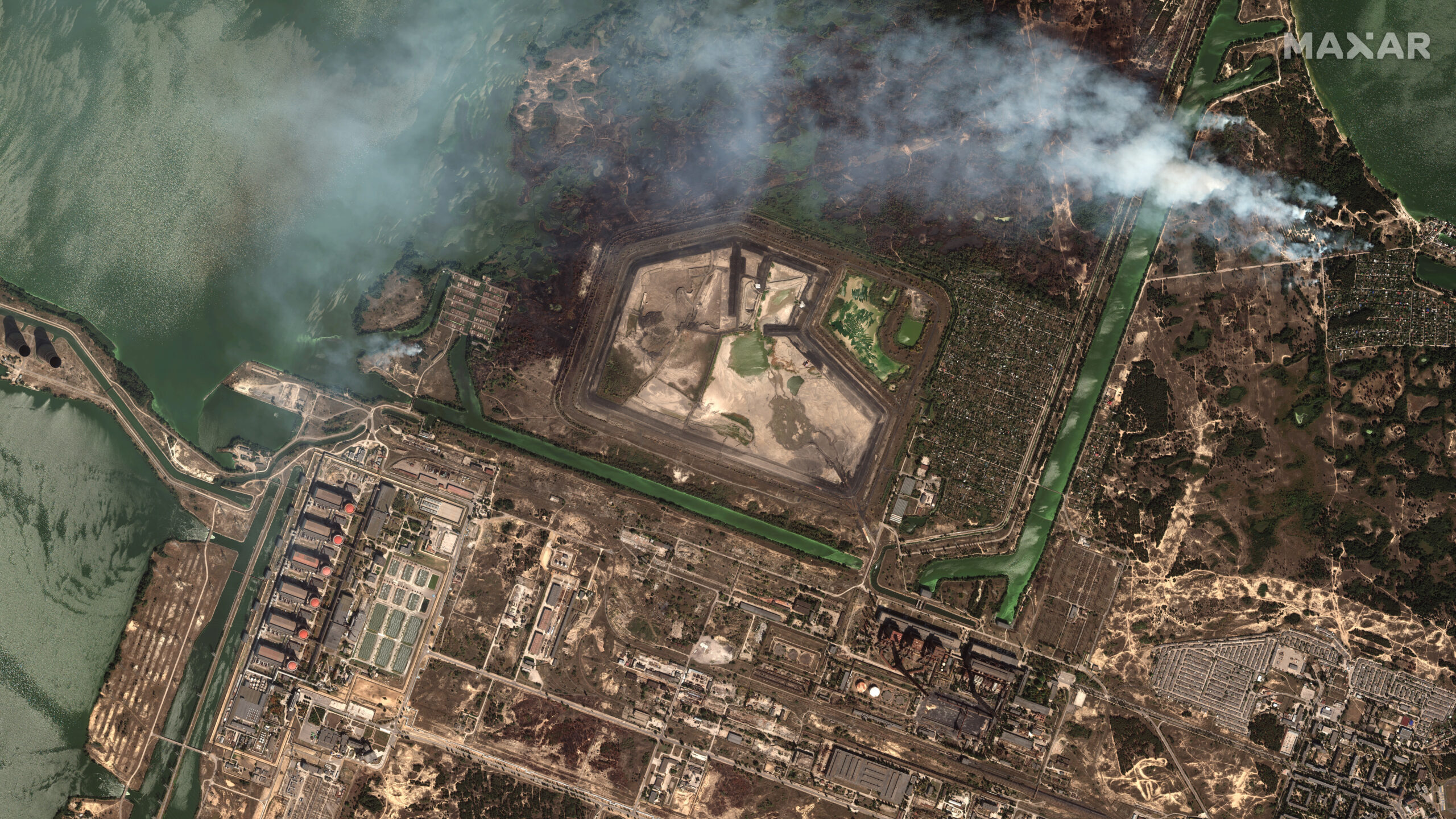
While there is no formal agreement, NRO and the Space Force have reached an informal accord to each use commercial imagery the other has acquired, and are in discussions about a potential DoD-IC "marketplace" to ease sharing.
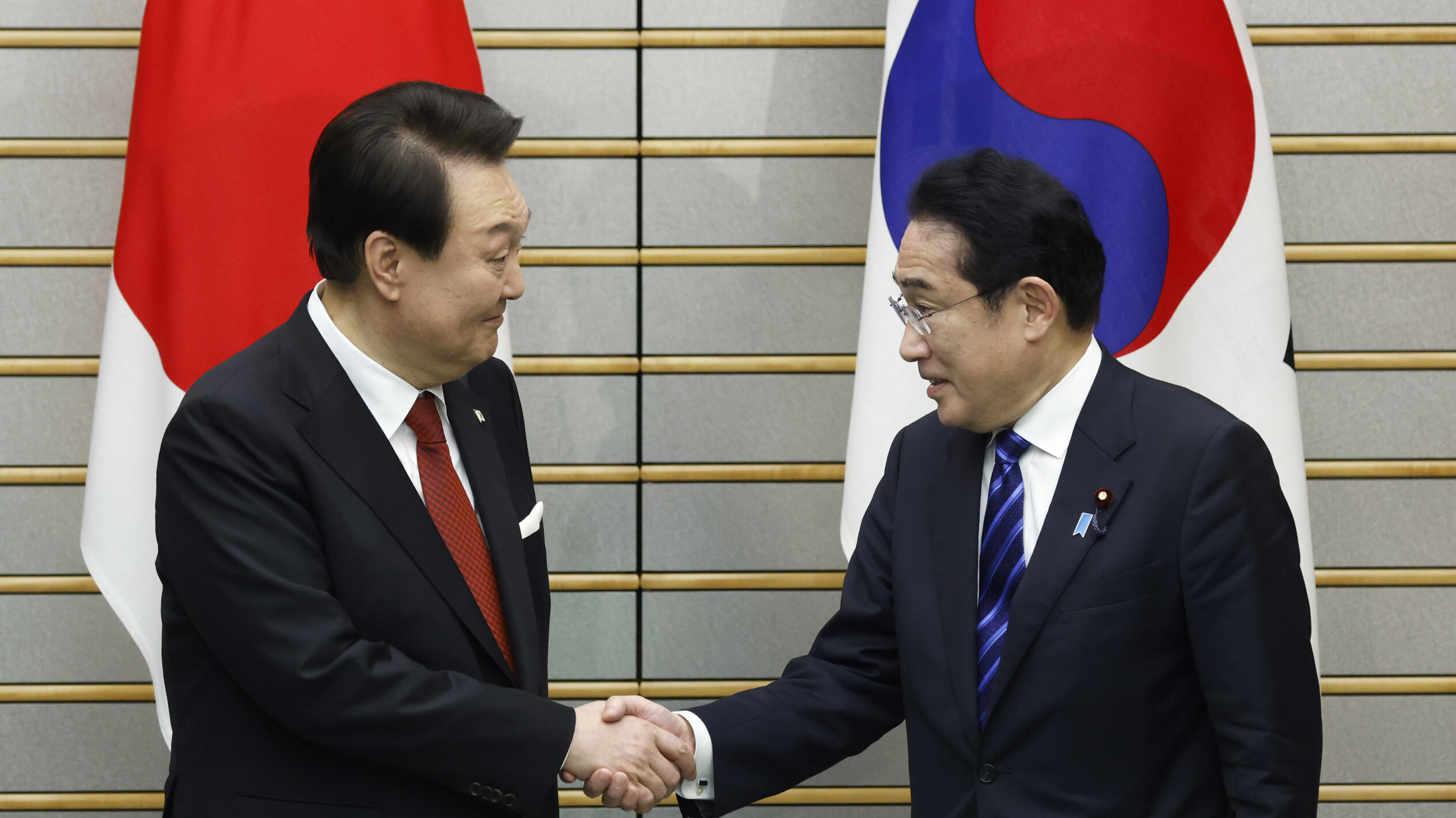
"The restoration of the bilateral GSOMIA and the desire now to expand intelligence and other types of security cooperation are made possible by President Yoon’s determination to improve relations and Japan’s growing anxiety about an assertive China," Patrick Cronin of the Hudson Institute wrote.